
The Illusion of Control
One of the primary psychological tactics used by casinos is the illusion of control. Gamblers often believe that they can influence the outcome of a game, particularly in games of skill like poker or blackjack. This perception encourages players to engage more deeply, as they feel their decisions can lead to a win. In seeking to enhance their experience, many turn to **the** best poker sites for tips and strategies. This belief can become a strong driving force, leading them to spend additional time and money in pursuit of their next victory.
Moreover, slot machines are designed to enhance this illusion. Many players think that timing their spins or choosing certain machines can yield better results. This misguided confidence leads to prolonged sessions and larger bets, which ultimately increases the casino’s profit while keeping players enthralled.
The Power of Rewards
Another psychological strategy employed by casinos is the use of rewards and incentives. Casinos often implement loyalty programs that reward frequent players with perks such as free meals, rooms, and exclusive access to events. These rewards create a sense of belonging and encourage a repeated cycle of play, as gamblers are motivated to chase these benefits while participating in their favorite games.
Additionally, variable reinforcement plays a crucial role in the psychology of gambling. Players receive payouts at unpredictable intervals, which is scientifically known to enhance engagement. The uncertainty of when a reward will arrive keeps players on edge and eager to continue playing, as they hope that the next spin or hand will be the one that brings in significant winnings.
Environmental Cues and Design
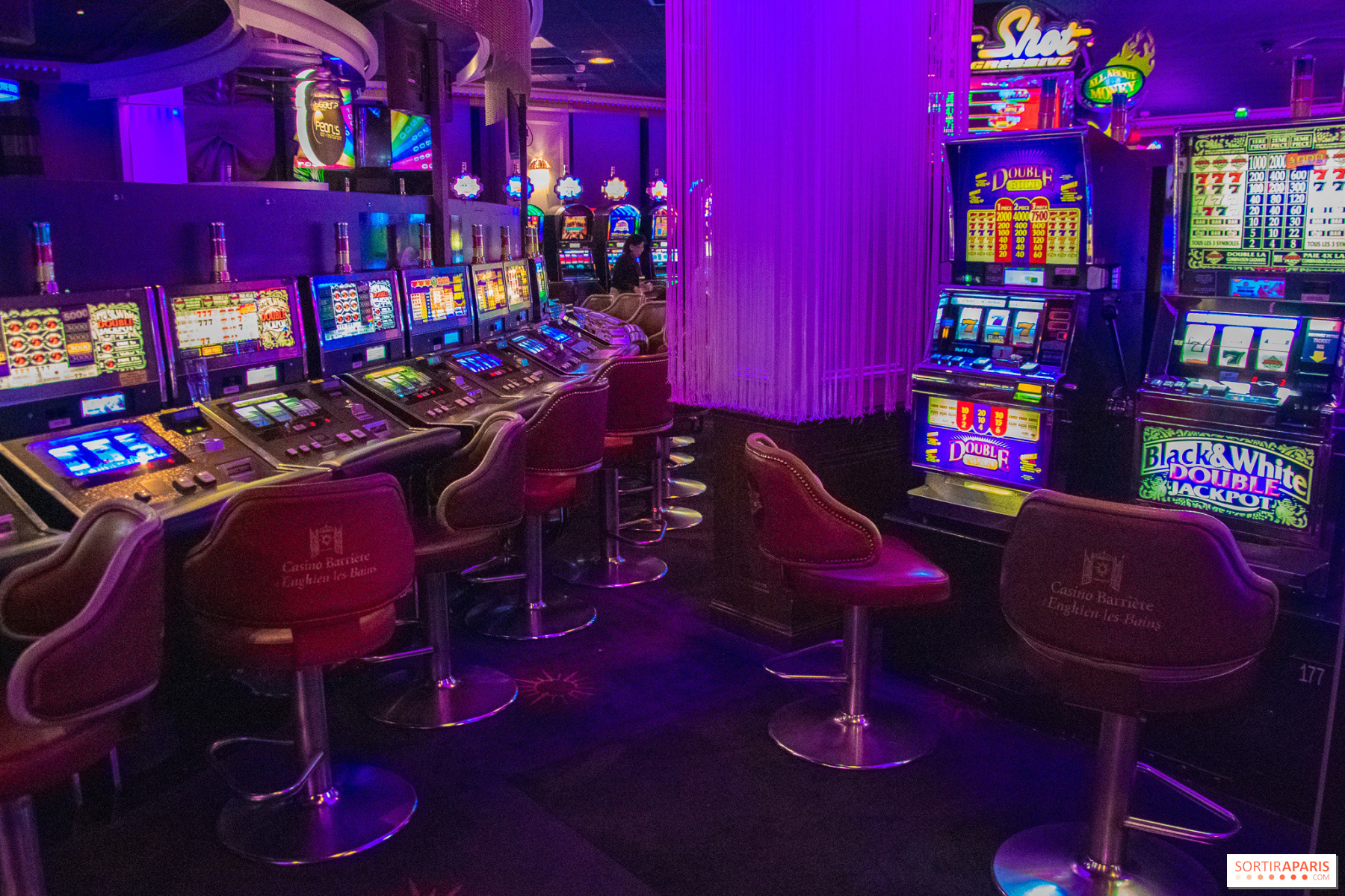
The physical environment of a casino is meticulously designed to promote extended play. Bright lights, vibrant colors, and enticing sounds create an exhilarating atmosphere that stimulates the senses. Casinos carefully curate their layouts to encourage exploration and discovery, allowing players to move seamlessly from one game to another without ever feeling the need to take a break.
Moreover, the absence of clocks and windows in many casinos serves a strategic purpose. By eliminating external time cues, players lose track of how long they have been gambling, inadvertently extending their play sessions. This lack of awareness about time contributes to higher spending and greater engagement with the gaming experience.
The Role of Social Interaction
Social interaction is another powerful factor that casinos leverage to keep players engaged. Many casino games, particularly table games, encourage players to interact with each other and the dealers. This social aspect can make gambling more enjoyable, fostering a sense of community among players. As individuals engage in conversations and share experiences, they create a bond that amplifies their desire to remain in the casino environment.
The competitive nature of games can also heighten excitement. Players often feed off each other’s energy, leading to a heightened emotional state that compels them to keep playing. These social dynamics not only enhance the overall experience but also reinforce the idea that gambling is a shared and thrilling pastime.
Support for Veterans and Their Families
While gambling can be an exciting form of entertainment, it is essential to acknowledge the resources available for those who may need support, particularly veterans and their families. Websites dedicated to providing assistance can help individuals navigate the challenges that may arise from gambling, ensuring they receive the necessary guidance and resources to manage their experiences effectively.
By fostering understanding and offering support, these platforms play a crucial role in promoting responsible gambling practices. They empower individuals to make informed decisions about their play and seek help when necessary, contributing to a healthier approach to gaming that prioritizes well-being over compulsion.